


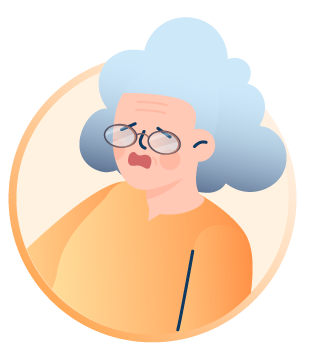


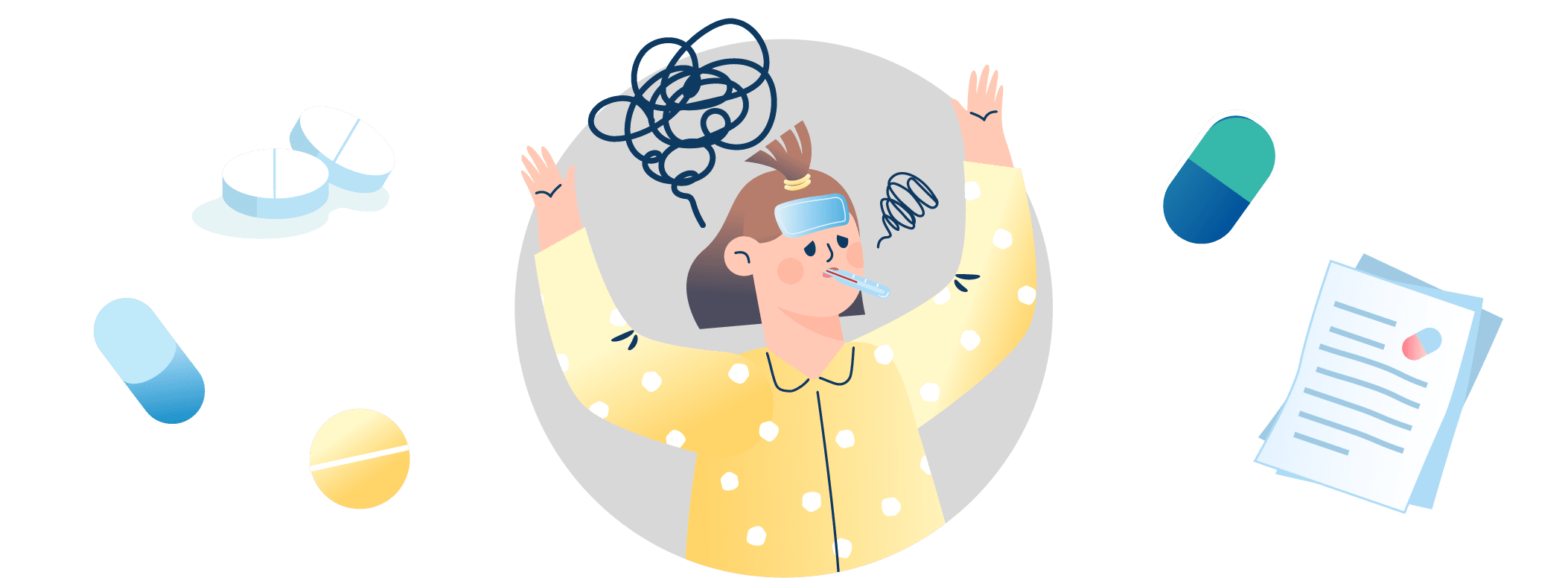
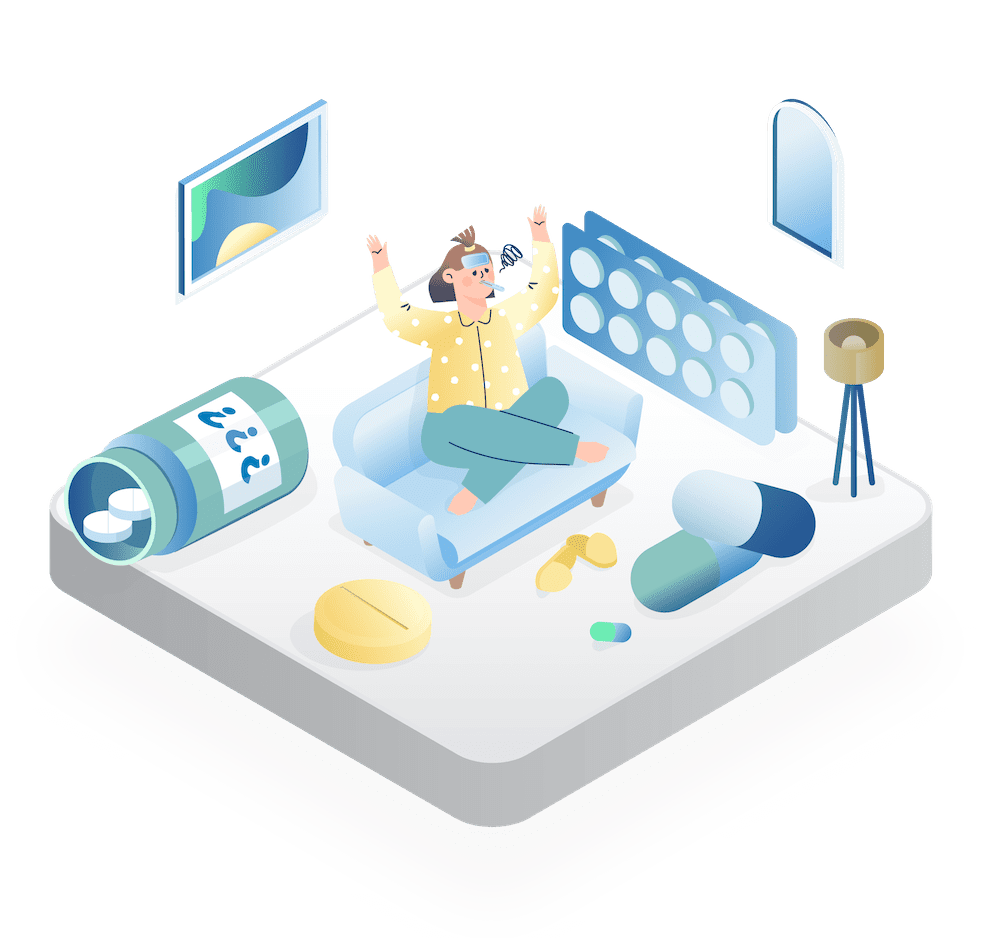
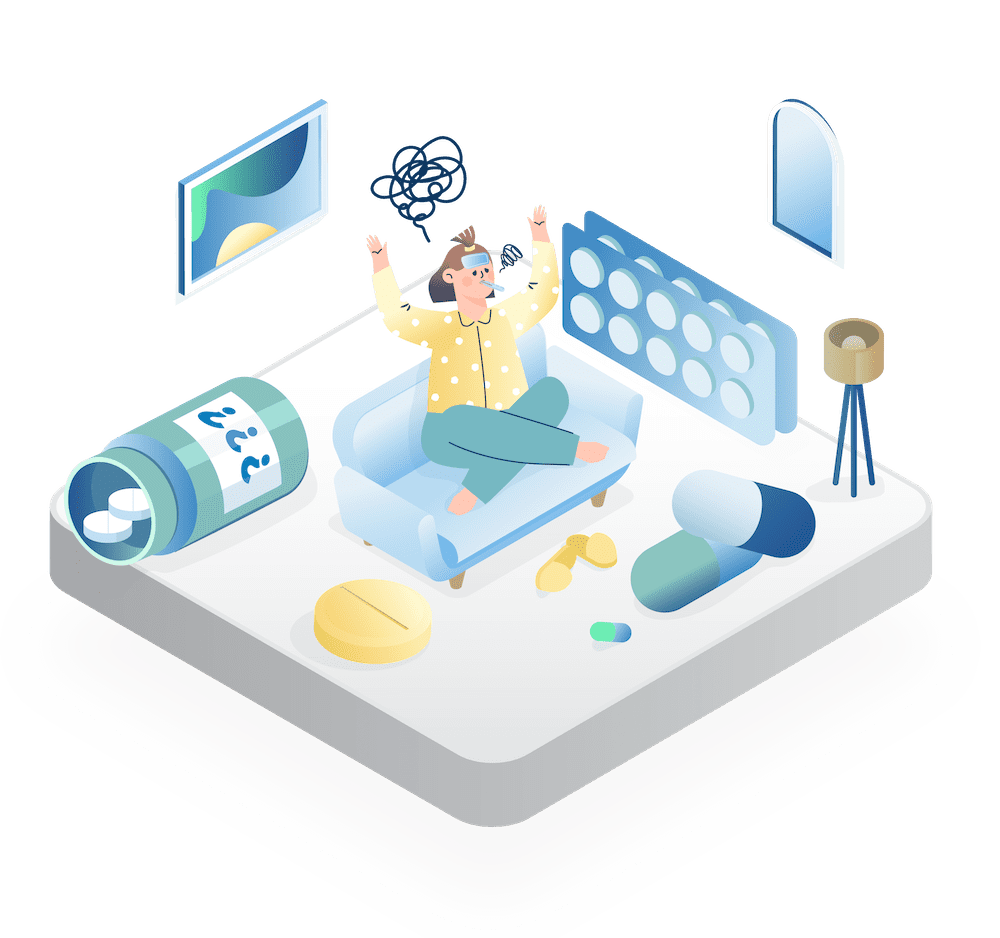
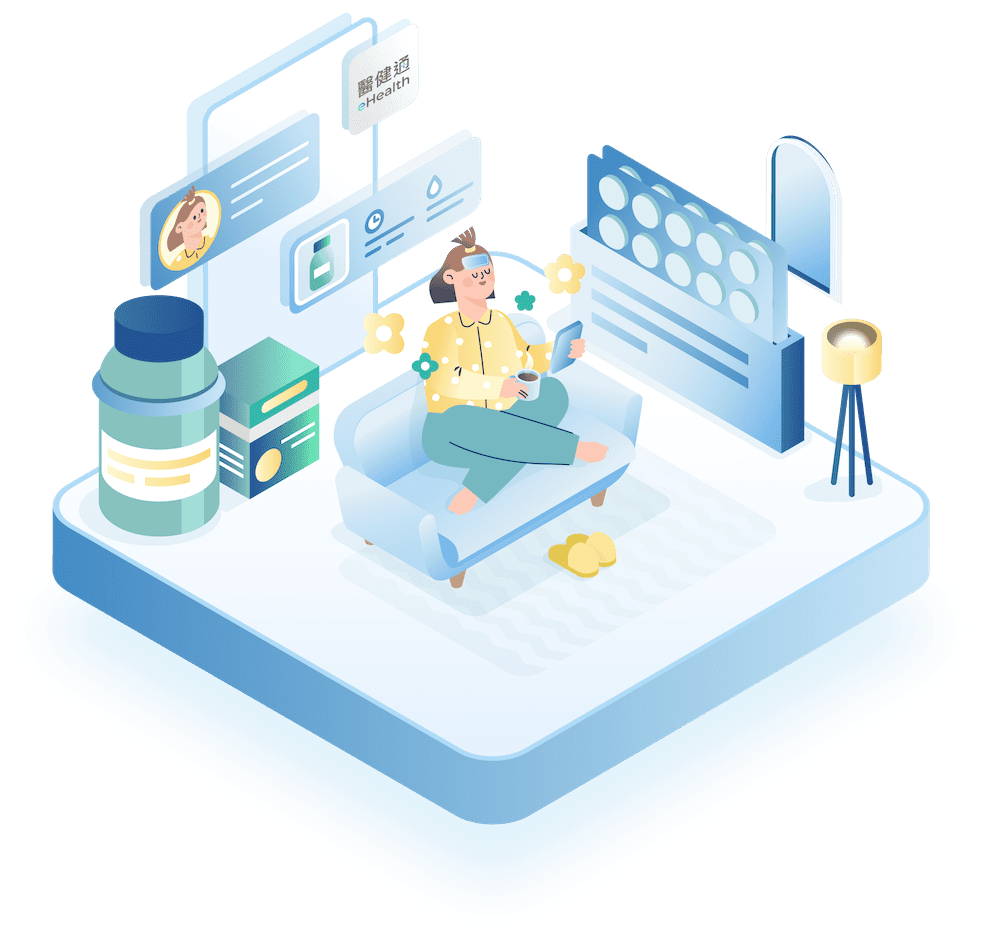
 Patients are often confused with the drugs prescribed from multiple specialties at
the same time, and the frequent changes in prescription and complex instructions. Medication errors may
happen due to misunderstanding, duplication or delay in taking the drugs.
Patients are often confused with the drugs prescribed from multiple specialties at
the same time, and the frequent changes in prescription and complex instructions. Medication errors may
happen due to misunderstanding, duplication or delay in taking the drugs.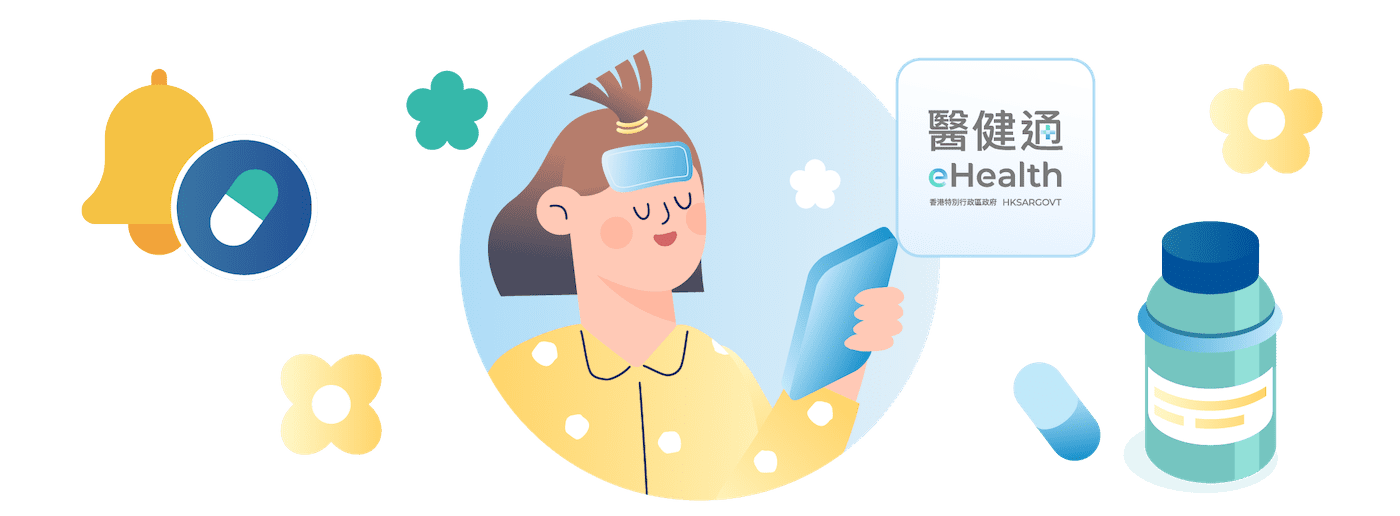 Through eMedication,
doctors can prescribe appropriate prescriptions based on the latest patient records, and pharmacies can
access relevant information for dispensing. Clearer medication records and consistent information enable
patients to take their medications correctly with greater peace of mind, significantly reducing the risk of
medication errors.
Through eMedication,
doctors can prescribe appropriate prescriptions based on the latest patient records, and pharmacies can
access relevant information for dispensing. Clearer medication records and consistent information enable
patients to take their medications correctly with greater peace of mind, significantly reducing the risk of
medication errors.
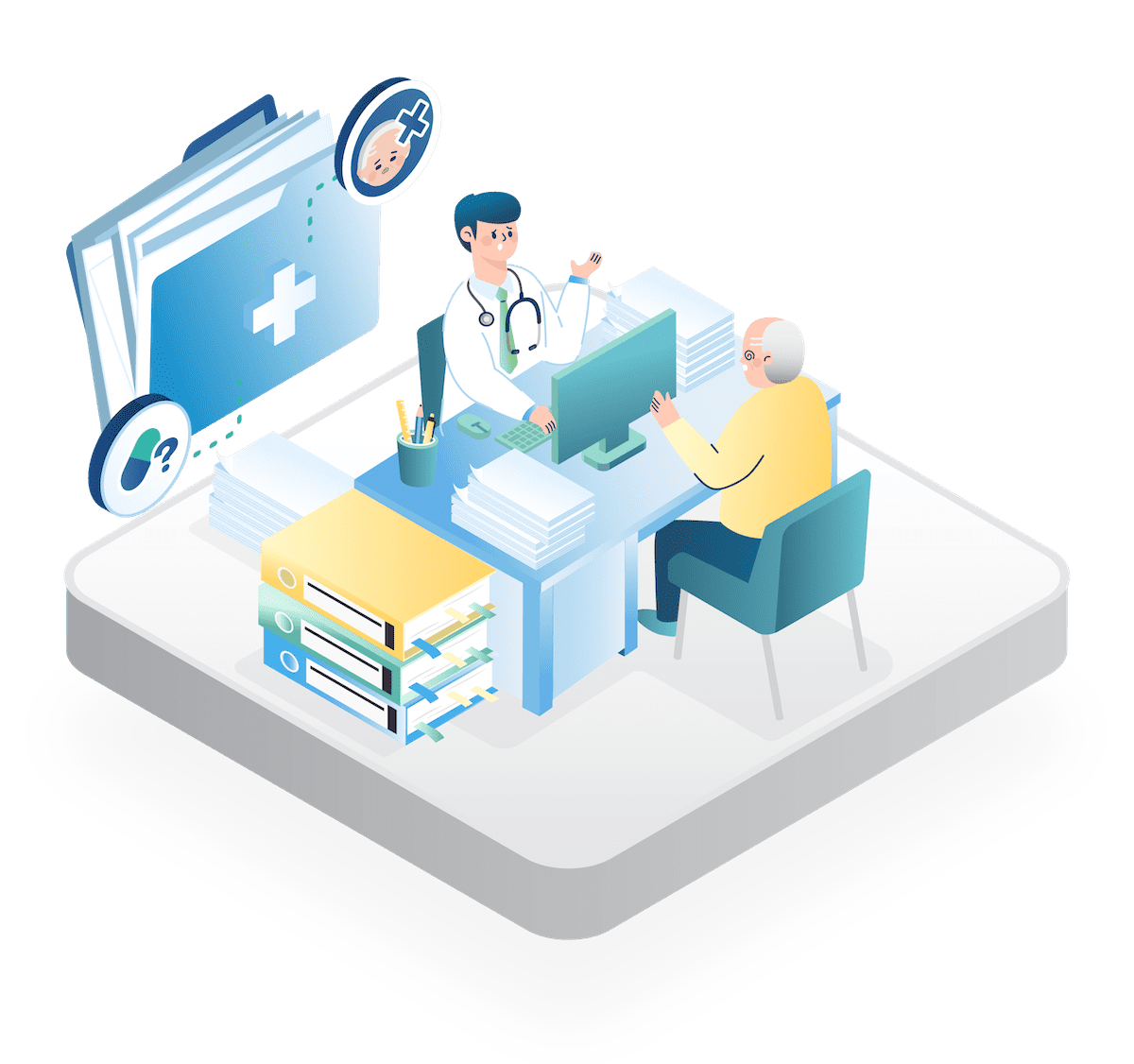
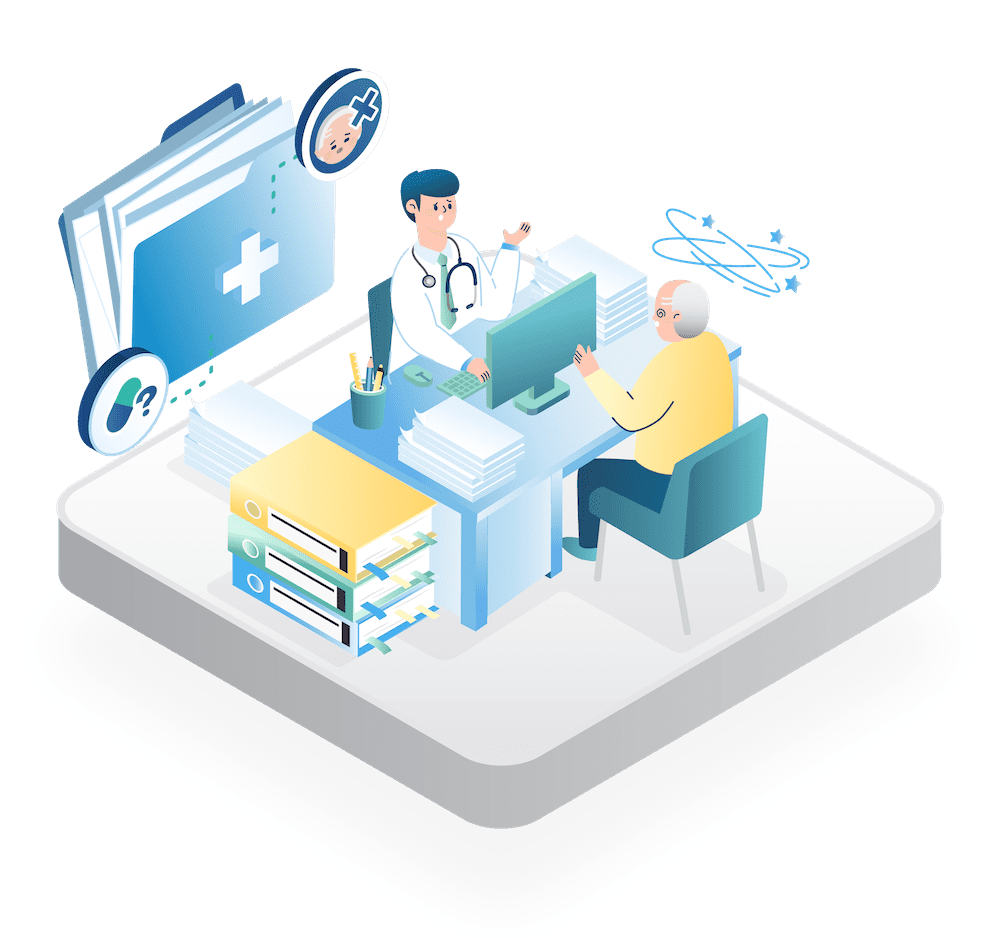
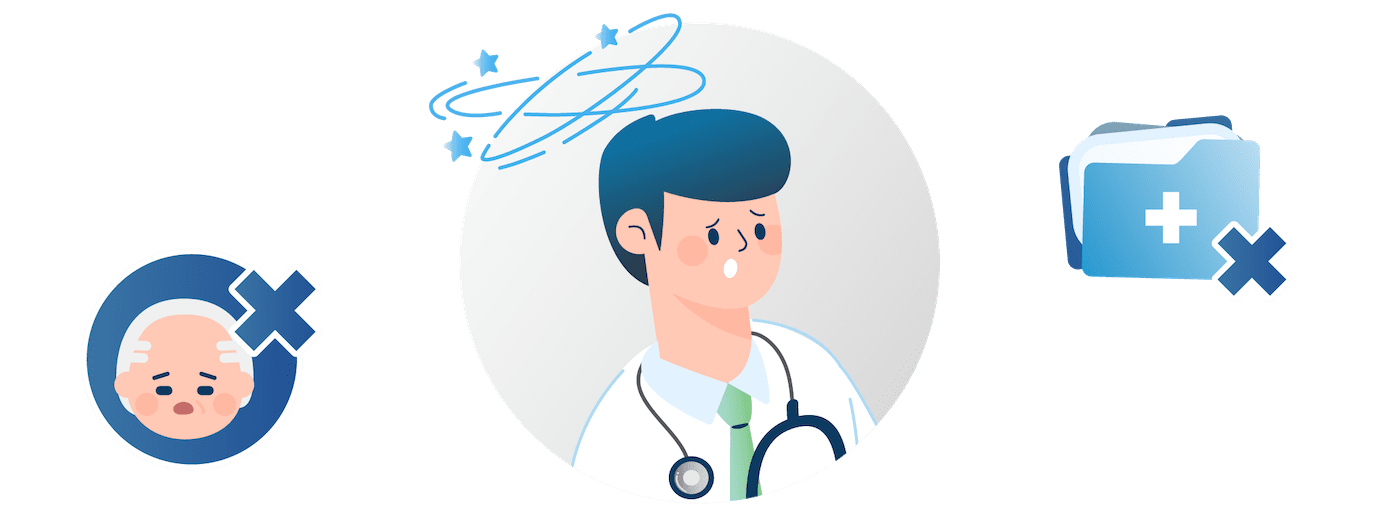 Doctors who did not have a complete history of the patient's medication upon
prescribing drugs, especially for those patients managed under other institutions. It may lead to
duplication or prescription of interacting medications. It is also difficult to accurately monitor the
patient's medication adherence, allergic reaction and compliance, which can impact clinical decision-making.
Doctors who did not have a complete history of the patient's medication upon
prescribing drugs, especially for those patients managed under other institutions. It may lead to
duplication or prescription of interacting medications. It is also difficult to accurately monitor the
patient's medication adherence, allergic reaction and compliance, which can impact clinical decision-making.
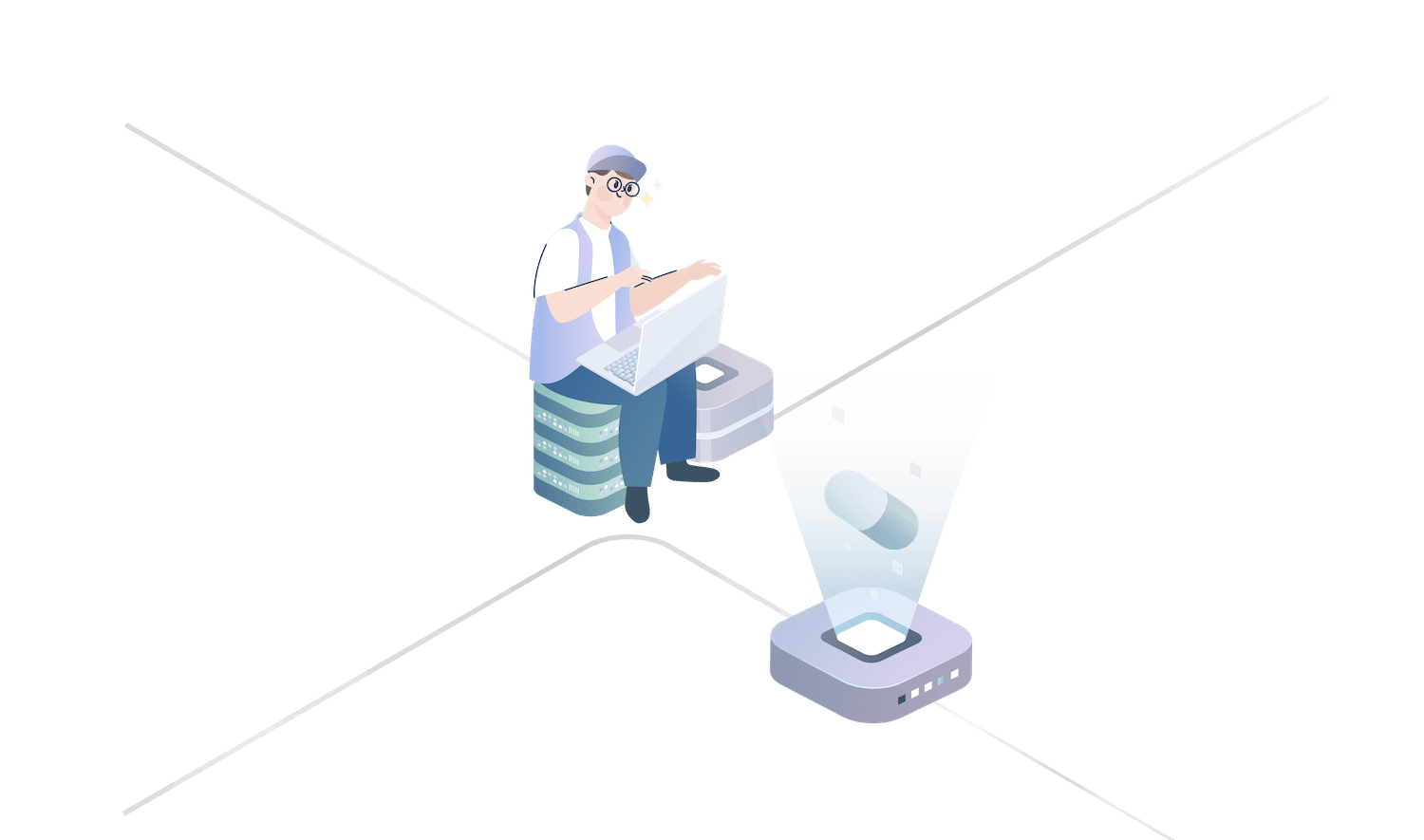
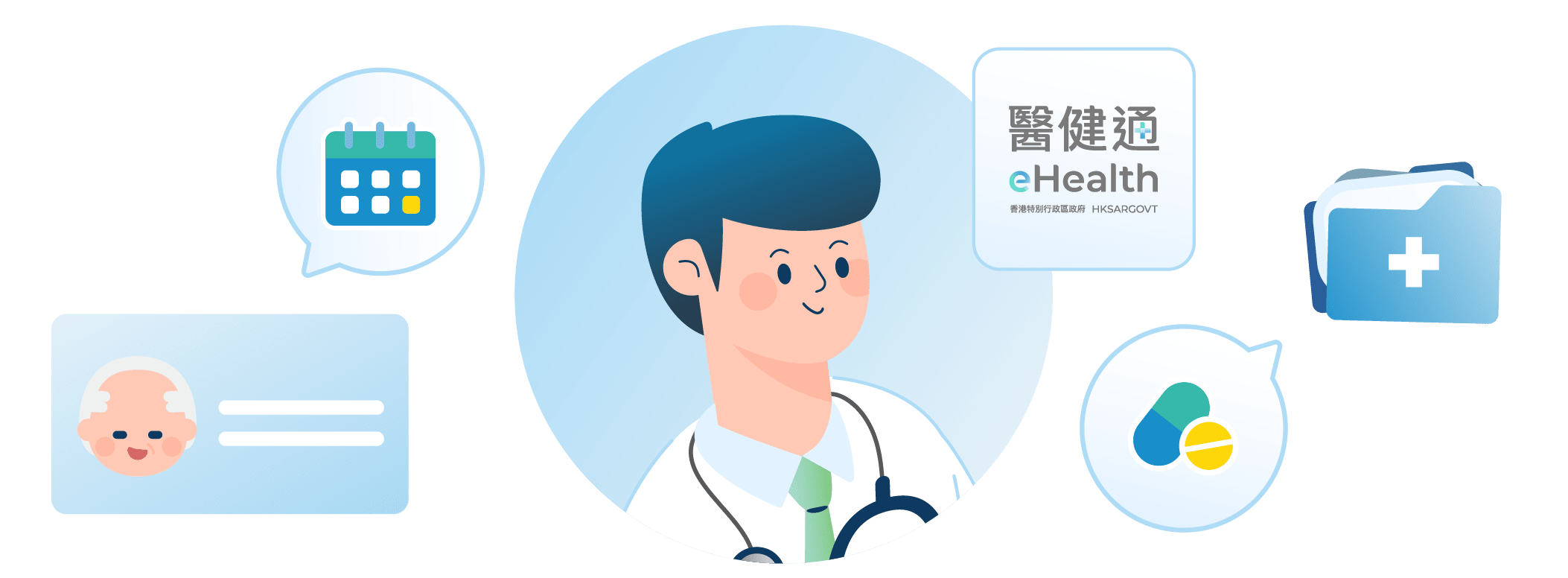 With eMedication,
doctors can obtain the latest medication records and patients' medication history, to make more accurate and
personalized clinical judgments. At the same time, patients' medication records in residential care homes or
at home can also be recorded clearly, enhancing two-way information transparency and promoting
cross-institution collaboration
With eMedication,
doctors can obtain the latest medication records and patients' medication history, to make more accurate and
personalized clinical judgments. At the same time, patients' medication records in residential care homes or
at home can also be recorded clearly, enhancing two-way information transparency and promoting
cross-institution collaboration
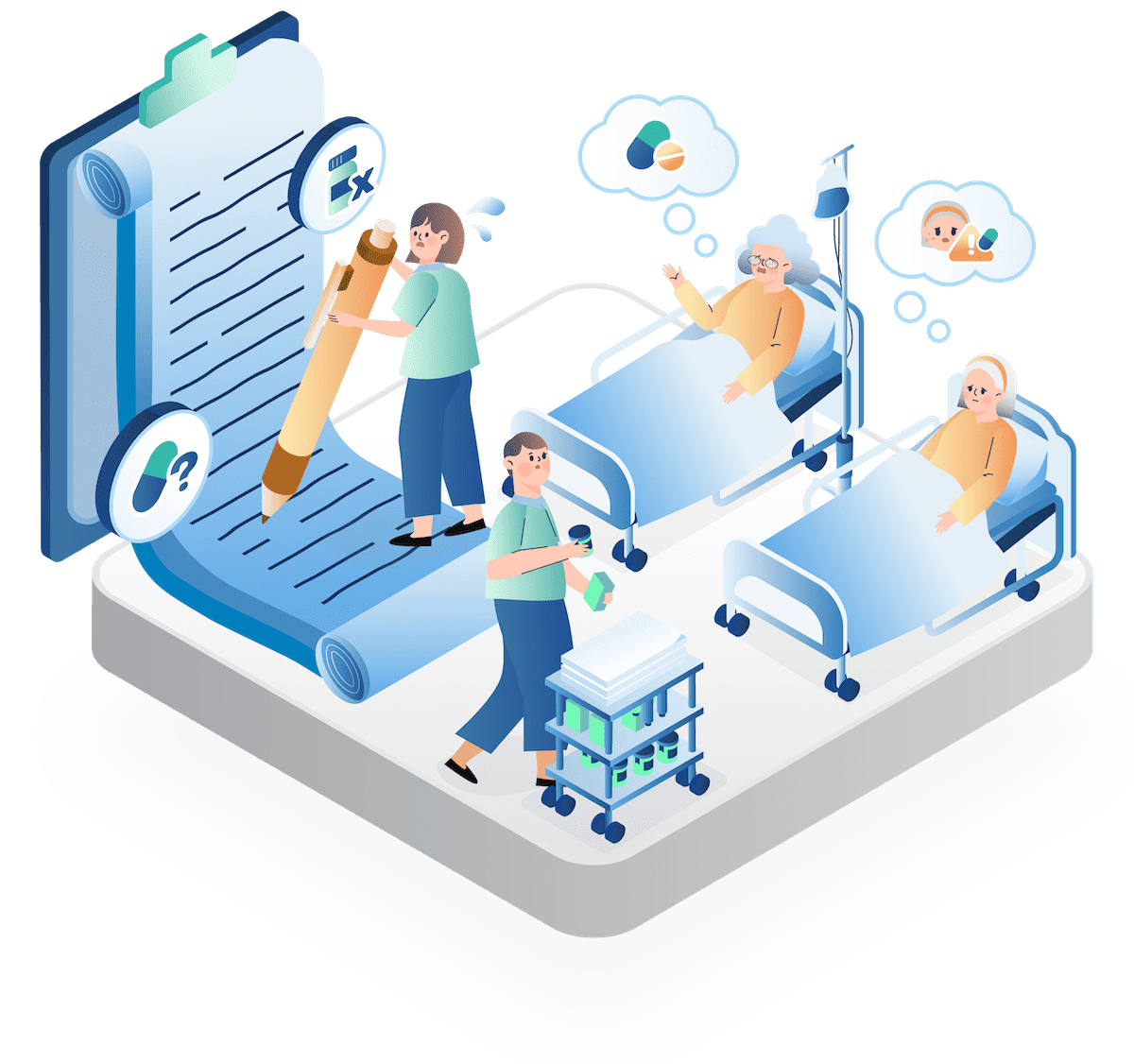
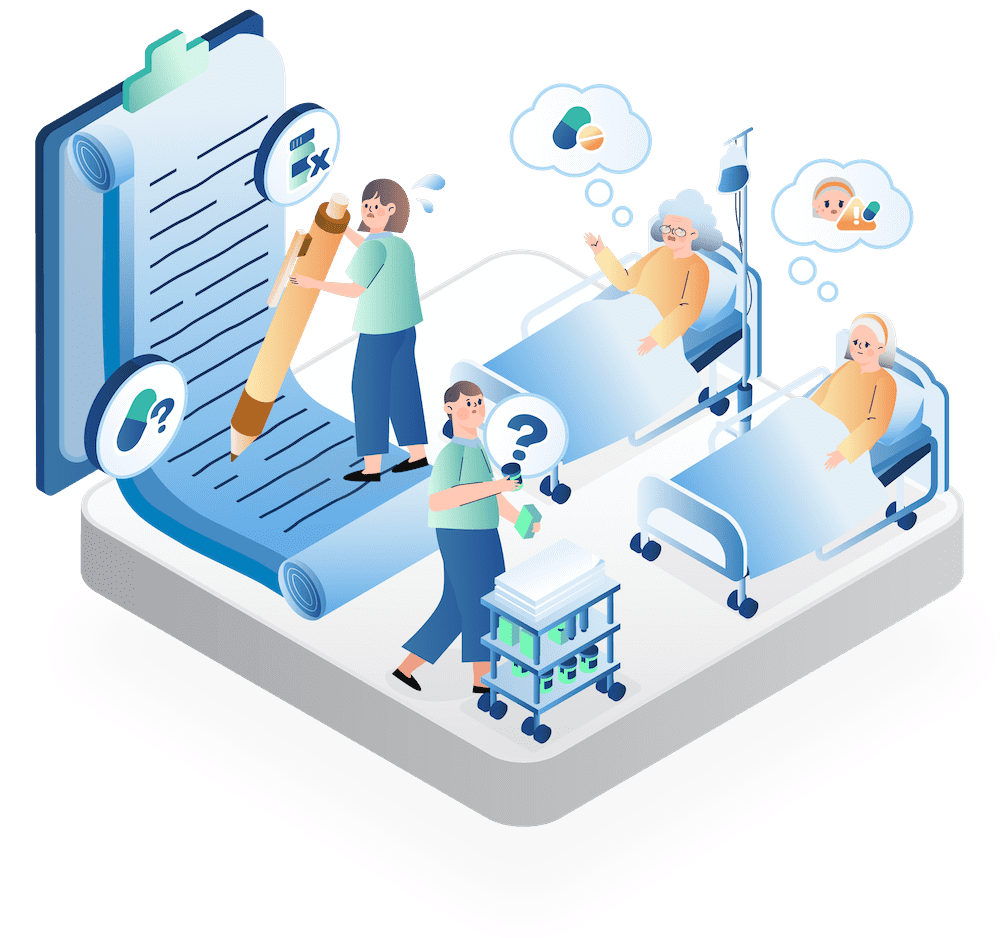
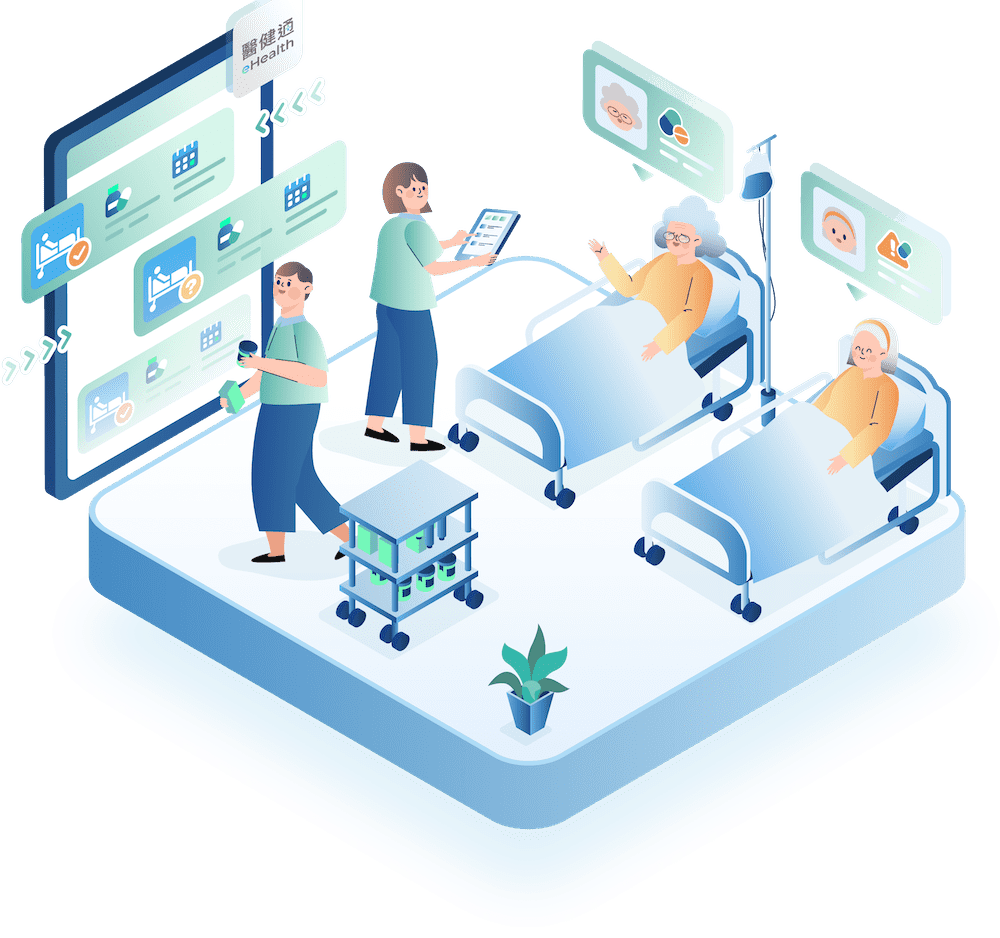
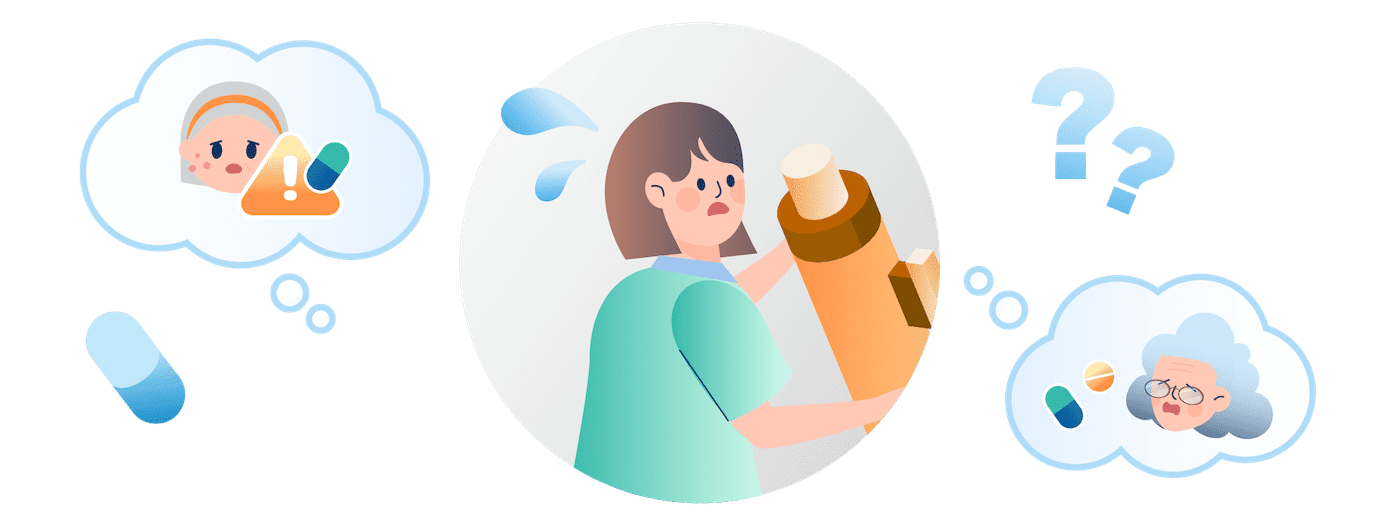 The staff of the residential care home must administer medications to numerous
residents daily, and the management process is complex. Traditionally, it relies on handwritten medication
records and manual sorting of medications. Medication errors may happen, especially during patient transfer,
discharge or follow-up, because of information gaps.
The staff of the residential care home must administer medications to numerous
residents daily, and the management process is complex. Traditionally, it relies on handwritten medication
records and manual sorting of medications. Medication errors may happen, especially during patient transfer,
discharge or follow-up, because of information gaps.
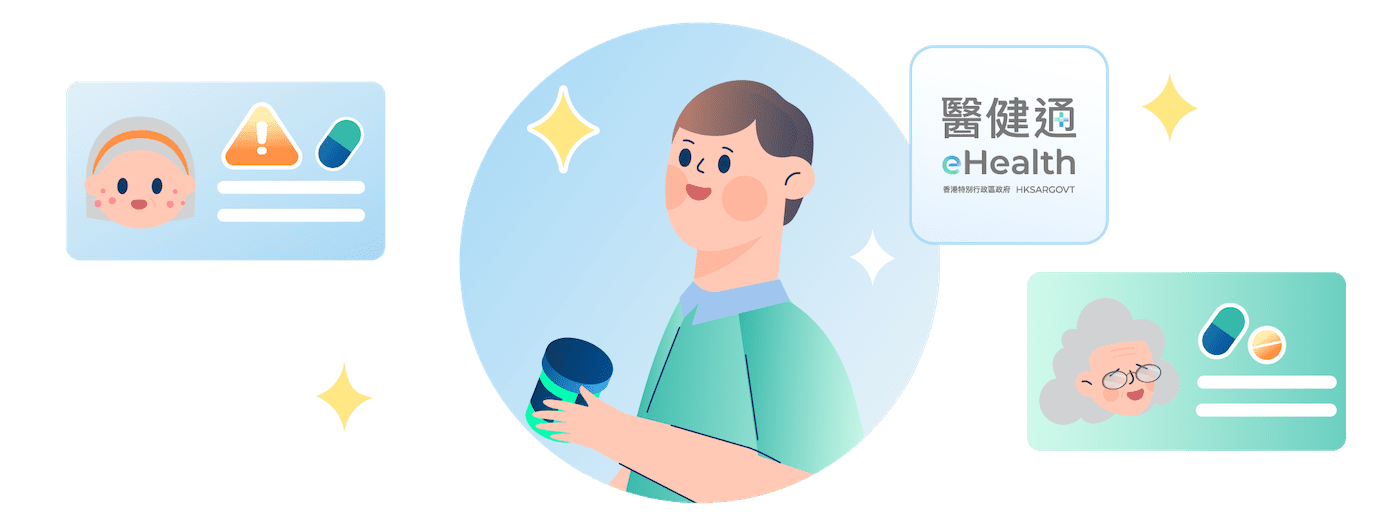 With eMedication, staff can obtain the latest prescription information of each
resident timely and make use of multi-unit dose packaging and barcode scanning functions to automatically
verify drugs, patients and medication prescriptions, thus reducing human error. The system also tracks the
status of each medication, enhancing the overall transparency and traceability.
With eMedication, staff can obtain the latest prescription information of each
resident timely and make use of multi-unit dose packaging and barcode scanning functions to automatically
verify drugs, patients and medication prescriptions, thus reducing human error. The system also tracks the
status of each medication, enhancing the overall transparency and traceability.
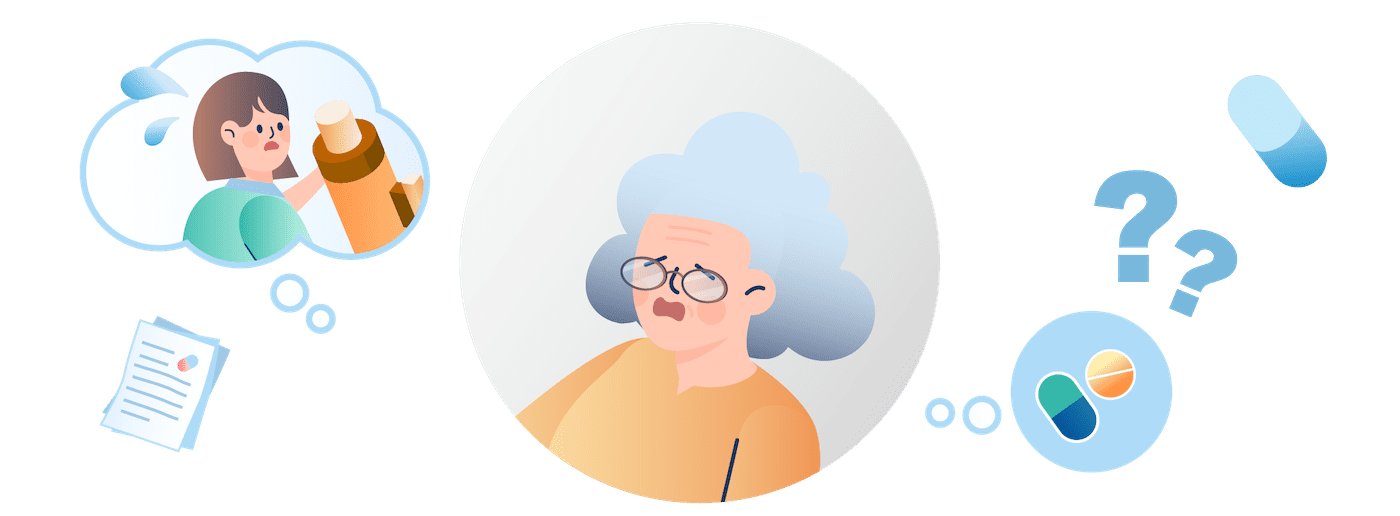 Residential care
patients are cared for by residential care staff, who face the challenges of residents’ complex and
frequently changing medication prescriptions by doctors.
Residential care
patients are cared for by residential care staff, who face the challenges of residents’ complex and
frequently changing medication prescriptions by doctors.
 Through
eMedication and clear information, residents’ medication management in residential care home becomes easy.
Residents' medication administration can also be clearly recorded for future reference.
Through
eMedication and clear information, residents’ medication management in residential care home becomes easy.
Residents' medication administration can also be clearly recorded for future reference.
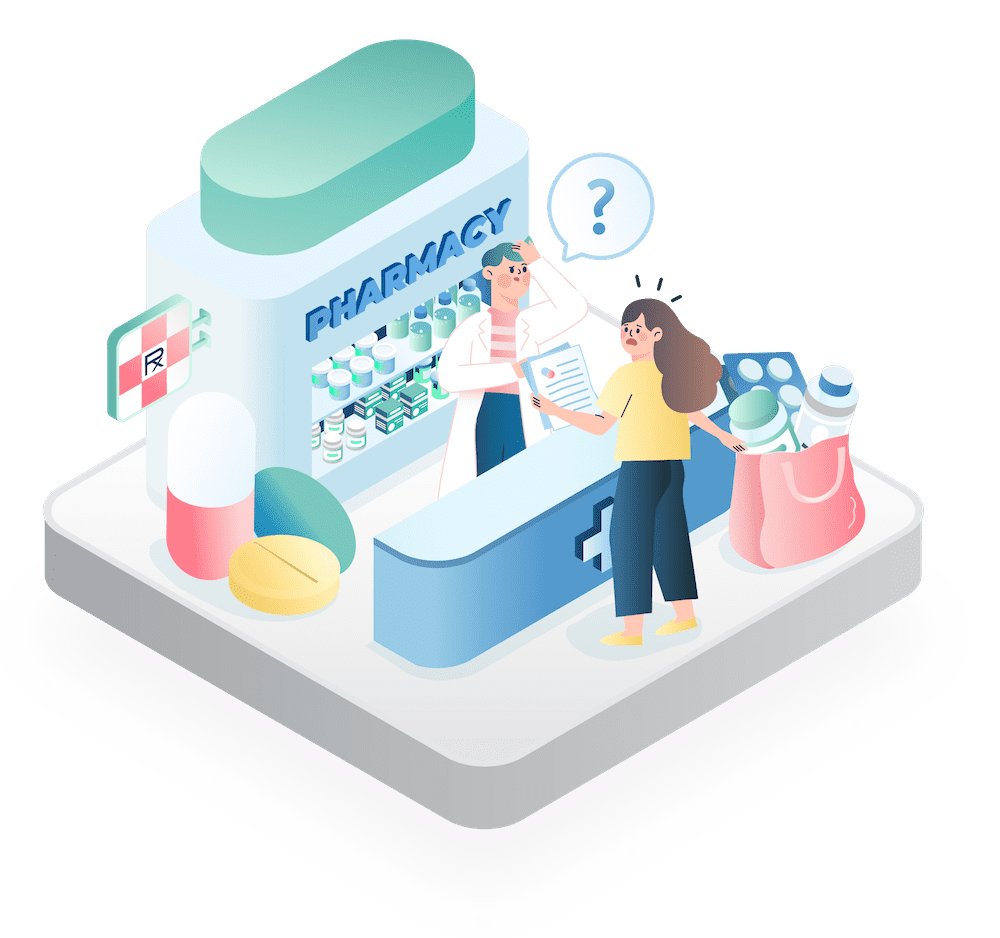
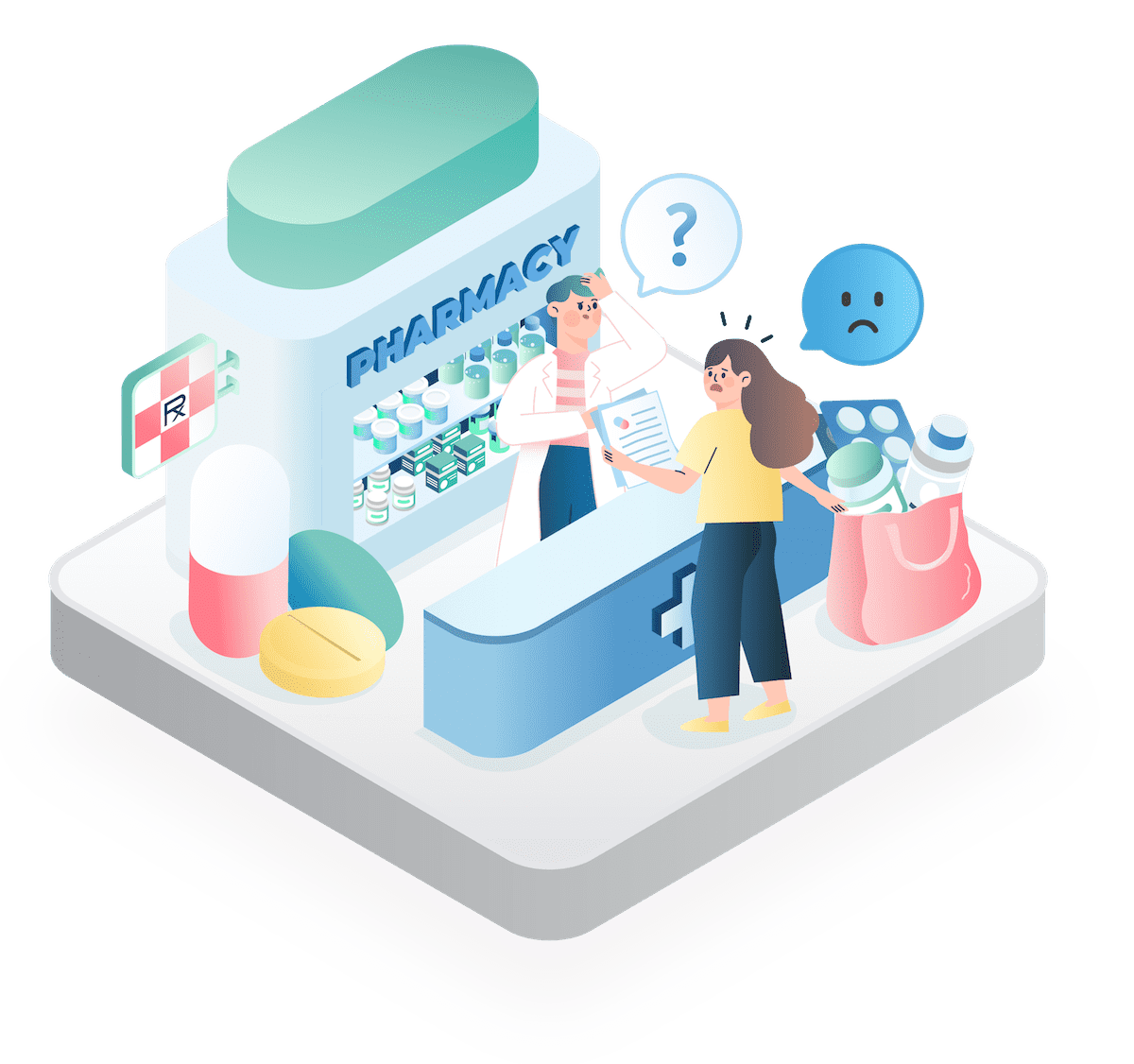
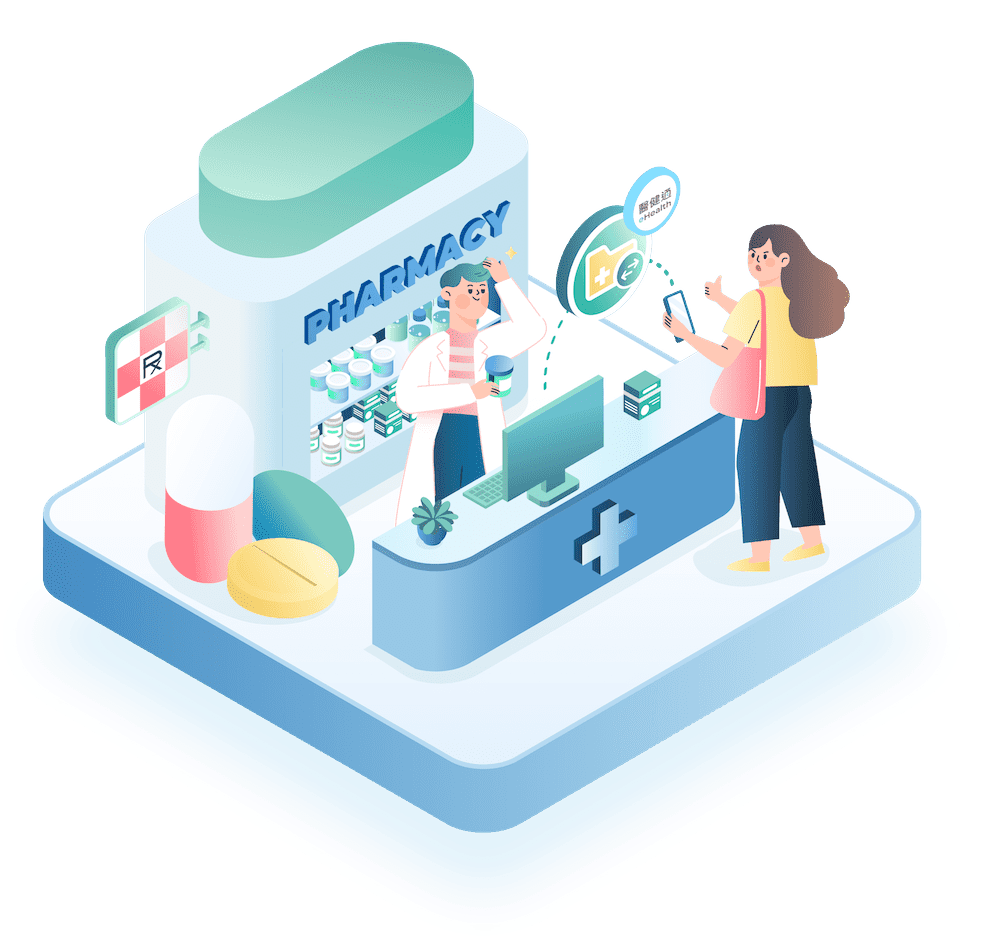
 Pharmacies have relied on patients to provide their own incomplete drug
information or prescription records. Information gap exists especially for patients receiving care from
different intuitions.
Pharmacies have relied on patients to provide their own incomplete drug
information or prescription records. Information gap exists especially for patients receiving care from
different intuitions.
 For frontline staff,
eMedication connectivity allows pharmacists to access patients' electronic medication and medical records
from eHealth, supporting more efficient and safer drug dispensing. Pharmacies can also provide guidance to
patients on the use of drugs and update records to play a greater role in clinical support.
For frontline staff,
eMedication connectivity allows pharmacists to access patients' electronic medication and medical records
from eHealth, supporting more efficient and safer drug dispensing. Pharmacies can also provide guidance to
patients on the use of drugs and update records to play a greater role in clinical support.
 In the past, data sharing and automation were difficult, and workflow efficiency
is challenging due to lack of standardized data and integration capability in residential care home systems.
In the past, data sharing and automation were difficult, and workflow efficiency
is challenging due to lack of standardized data and integration capability in residential care home systems.
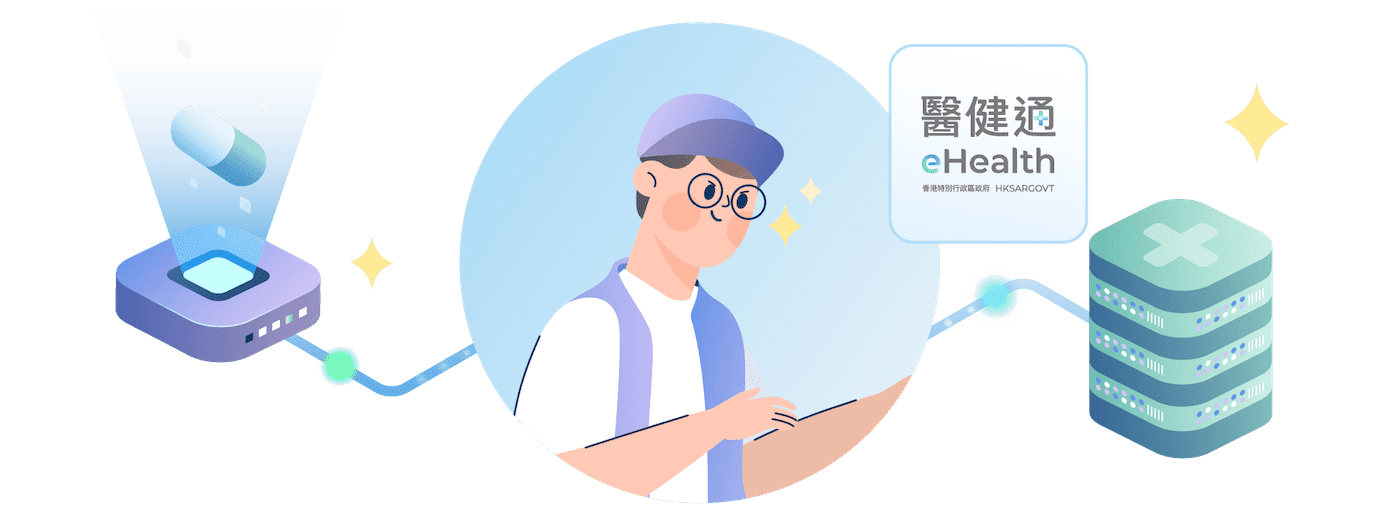 With the assistance of eHealth IT and LSCM, the residential care home IT systems
has been gradually upgraded to be able to integrate with eHealth supporting prescription and dispensing
close-loop, dispensed drug verification, electronic drug administration record and automation in logistics
to ensure that the overall workflow is more accurate, efficient and intelligent.
With the assistance of eHealth IT and LSCM, the residential care home IT systems
has been gradually upgraded to be able to integrate with eHealth supporting prescription and dispensing
close-loop, dispensed drug verification, electronic drug administration record and automation in logistics
to ensure that the overall workflow is more accurate, efficient and intelligent.

















Future Opportunities for Medication Management
The future model of the medication management
will be centered on "people-oriented, connected, and safe". Please stay tuned.
will be centered on "people-oriented, connected, and safe". Please stay tuned.